
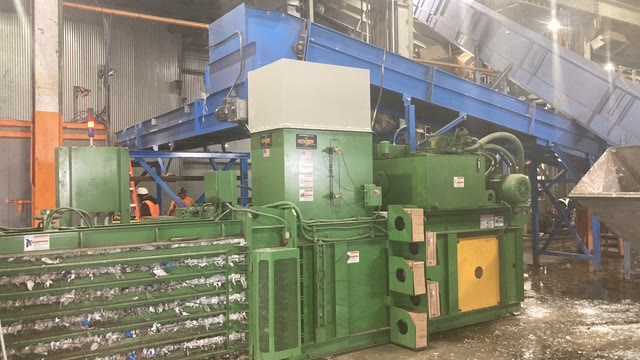
We Turn Missed Value Into Revenue
Every MRF leaves recoverable commodities in mixed paper, residue, and overs. We identify it, quantify it, and help you capture it — without disrupting your operation.
We help MRFs unlock more value from the material they already process. Through advanced sorting systems, precision data, and hands-on operational expertise, we deliver measurable improvements in recovery, throughput, and profitability.
Three things define how we work with every MRF: we find value others miss, we engineer for the realities of the line, and we hand back the data your operations and finance teams need to act on.
Every MRF leaves recoverable commodities in mixed paper, residue, and overs. We identify it, quantify it, and help you capture it — without disrupting your operation.
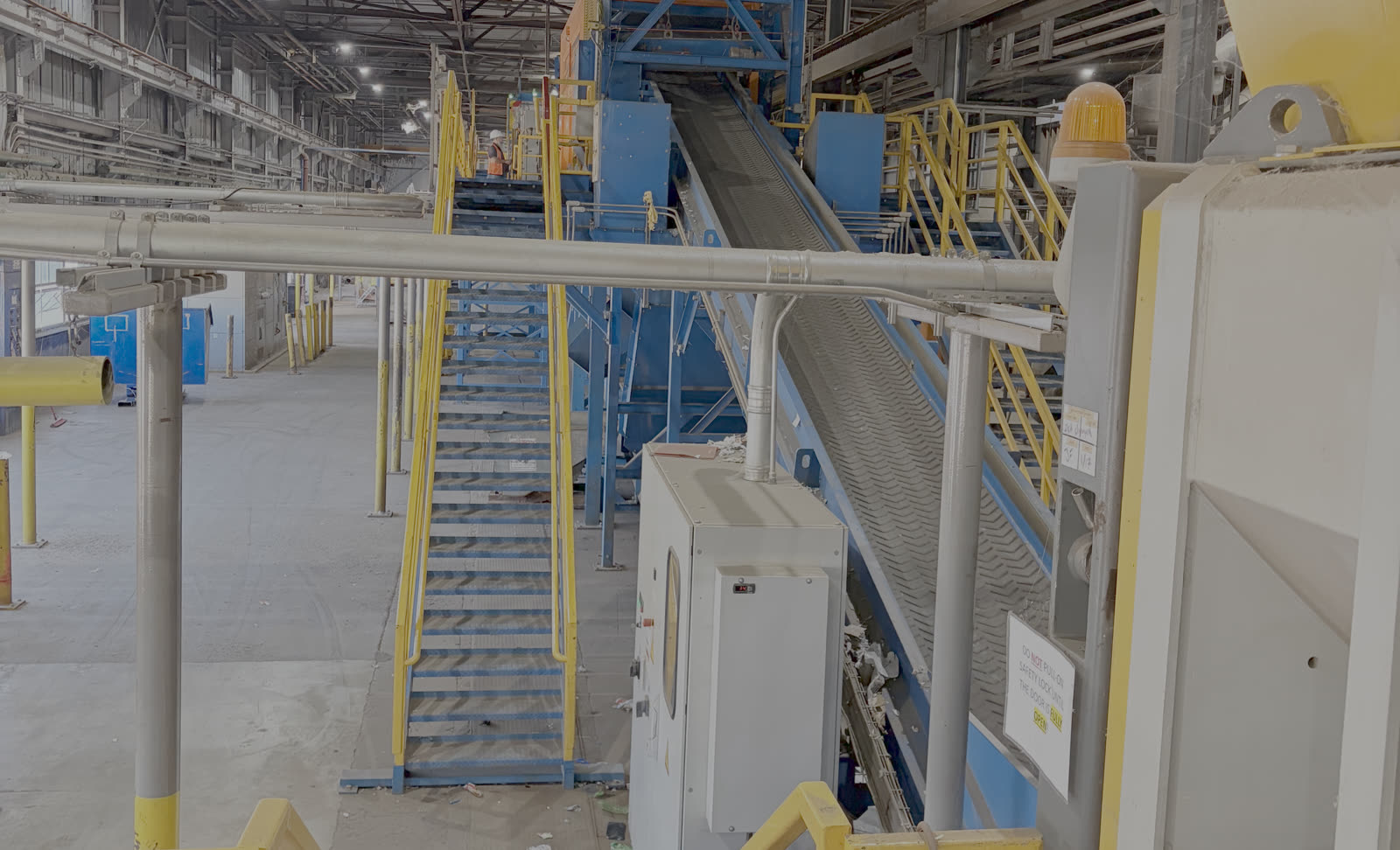
Our systems and processes are engineered for the realities of the floor: variable feedstock, aging equipment, staffing challenges, and nonstop production demands.
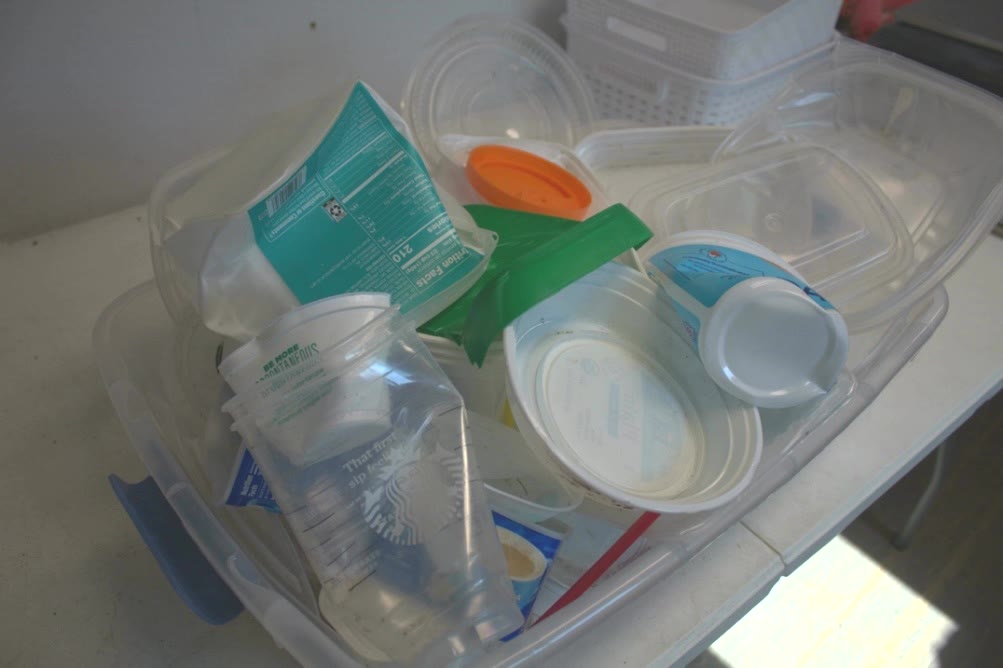
We provide clear, defensible data that supports capital planning, staffing decisions, and operational improvements.
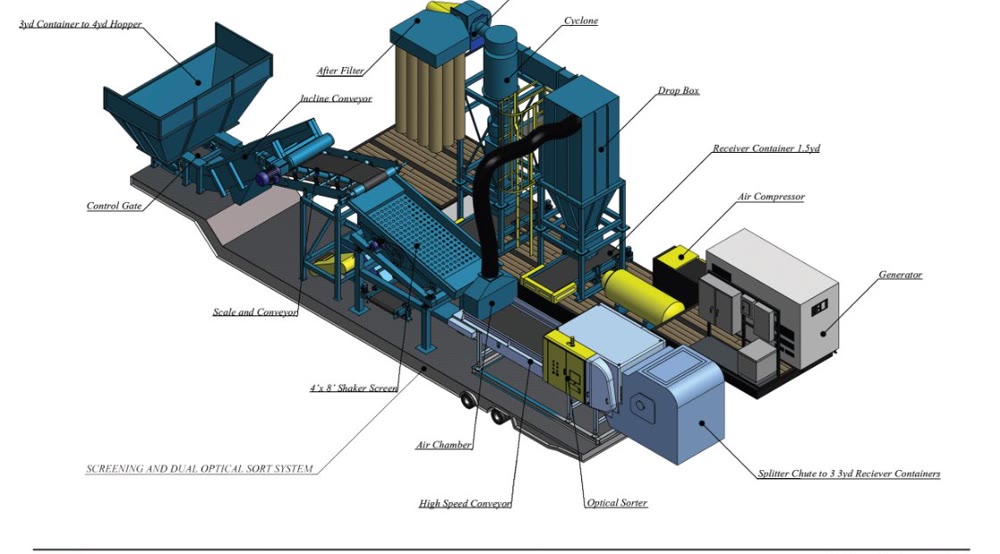
At our Riverbank facility, we sort and re-sort material through optical sorters, balers, and screens — managed by experienced operators who know how to extract value from feedstock primary MRFs leave behind.
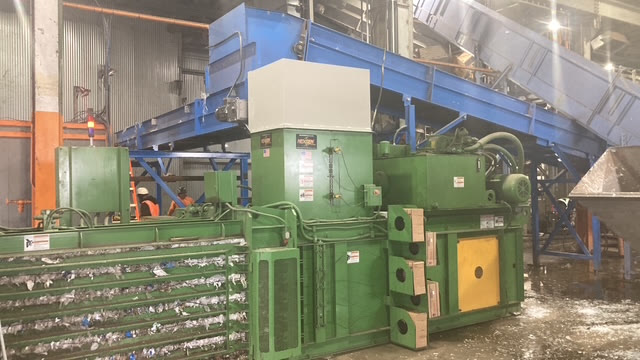
All operated by experienced sorting teams trained on the realities of variable feedstock and shifting commodity demand.
Composition data on the left, capital decisions on the right. Every study we produce ties what's in your stream to the investments that move the recovery rate.
Helping California MRFs thrive in the SB54 era.
Contact usOur work consistently delivers operational and financial improvements MRF operators can measure in the next quarter.
More aluminum, PET, HDPE, and PP making it into your finished bales — not your residual stream.
Less material going to the landfill means lower tipping fees and tonnage-out fees, month after month.
Recovering more of what's already coming in helps preserve dwindling regional landfill capacity.
Sortation strategies and equipment recommendations designed around the realities of your shift schedule.
Defensible composition data that operators, planners, and finance teams can all reference.
What is SB 54? California's packaging law makes the companies that produce packaging responsible for what happens to it. It sets legally required recycling rates that climb every two years, with fees and penalties behind them.
Every step up the ramp means more material that has to be recovered instead of landfilled, and a documented rate proving it happened. That takes secondary sorting capacity and defensible data.
Source: California SB 54 (2022), statutory recycling-rate milestones for covered material.

City- and county-operated facilities looking to improve recovery, meet diversion targets, and defend program performance to councils and stewardship bodies.
Independent and corporate operators focused on commodity revenue, residue cost, and capital decisions on equipment retrofits or expansion.

Producer responsibility organizations and stewardship programs that need defensible data on system performance to drive program design and reporting.
We are a team of industry veterans — engineers, operators, analysts, and technicians — dedicated to helping MRFs run smarter.
With decades of combined experience across system design, fabrication, installation, and operations, we understand the challenges facing modern recycling facilities and deliver solutions that work on the ground, not just on paper.
Tell us about your facility and what you are trying to improve. We will scope a characterization study with you.
Call (925) 548-3093 or send us a message.